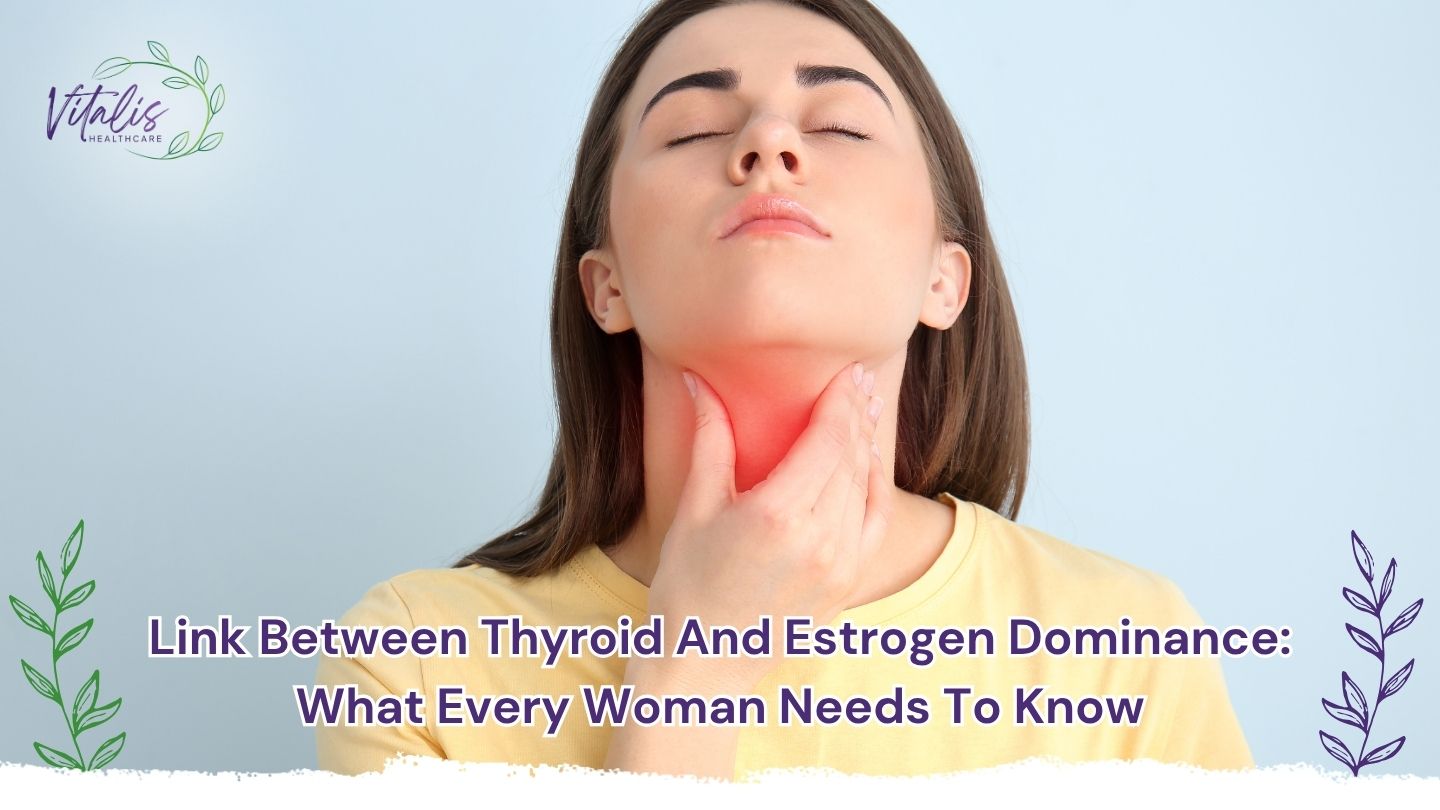

Feeling anxious? Your hormones might be to blame. Hormones like estrogen, progesterone, and cortisol regulate your mood and stress levels, and when they go haywire, anxiety often follows. In this blog, we will dive into how hormonal imbalance can trigger anxiety and discuss practical steps to manage it.
Key Takeaways
- Hormonal imbalances can significantly contribute to anxiety and other psychological symptoms, necessitating a clear understanding of their impact on mental health.
- Key hormones, including estrogen, progesterone, cortisol, and thyroid hormones, play crucial roles in influencing anxiety levels, particularly through fluctuations during key life stages and stress responses.
- Effective management of anxiety related to hormonal imbalances involves a holistic approach, including lifestyle adjustments, hormone replacement therapy, and professional support from healthcare providers.
The Link Between Hormones and Anxiety
Hormonal disorders can cause various psychological symptoms, such as anxiety, depression, and cognitive issues, as well as physical symptoms. When hormone levels are imbalanced, both physical and mental health problems can arise, significantly impacting one’s quality of life. Research indicates that inflammation in the brain responsible for anxiety may be heightened in individuals experiencing anxiety and depression due to hormonal imbalances.
Treating anxiety disorder related to hormonal imbalances requires identifying and addressing these imbalances. Root cause medicine often explores underlying causes and imbalances to provide a more effective treatment for anxiety linked to hormonal issues. Given that 31% of US adults experience anxiety disorders at some point in their lives, recognizing the hormonal influences on mental health is more important than ever.
Hormones, produced and released by glands, organs, and tissues, regulate processes such as metabolism, growth, development, and mood. Grasping how the body’s chemical messengers and the endocrine gland interact with anxiety can lead to more targeted and effective treatments.
Key Hormones That Affect Anxiety Levels

Hormones like estrogen, progesterone, cortisol, and thyroid hormones can trigger or exacerbate anxiety. Fluctuations in hormone levels can cause anxiety and increased anxiety, highlighting the importance of understanding their role in mental health.
Recognizing the impact of these hormones can aid in managing anxiety symptoms more effectively. Let’s delve into how each of these hormones influences anxiety levels.
Estrogen and Progesterone
Estrogen and progesterone significantly influence mood, especially during the menstrual cycle. Changes in hormone levels during menstruation, pregnancy, and menopause can greatly influence anxiety levels:
- Estrogen levels are lowest in the luteal phase of the menstrual cycle, often associated with increased anxiety symptoms and premenstrual syndrome.
- Drops in estrogen during the postpartum period can increase the risk of anxiety and depression.
- Decreases in estrogen during perimenopause and menopause can also increase the risk of anxiety and depression in menopausal women.
Progesterone, another crucial hormone, stimulates the production of calming neurotransmitters, and its fluctuations can also impact mood and anxiety. Recognizing these hormone fluctuations aids in developing strategies to better manage anxiety.
Cortisol
Cortisol, known as the stress hormone, plays a significant role in the body’s stress response. Prolonged stress can cause consistently high cortisol levels, which are directly linked to:
- Heightened anxiety symptoms
- Disruption of the balance of other hormones exacerbates anxiety
- Worsening of anxiety
- Contribution to panic disorder
The connection between stress hormones and anxiety is bi-directional; when stress hormones become dysregulated, they can contribute to anxiety and panic, which can worsen anxiety. Stress reduction techniques are vital for maintaining hormonal balance and alleviating anxiety by managing cortisol levels.
Thyroid Hormones
Thyroid hormone imbalances can greatly impact mood and mental health. Hyperthyroidism and hypothyroidism can both significantly influence anxiety and mood disorders, making thyroid hormone levels essential in assessing anxiety.
Excess thyroid hormone can increase metabolism and trigger anxiety-related symptoms, especially if there is too much thyroid hormone.
Causes of Hormonal Imbalance
Hormonal imbalance occurs when there is too much or too little of one or more hormones. Various factors can lead to hormonal changes and hormonal imbalances, including tumors, damage to endocrine glands, and autoimmune conditions. Female sex hormones such as estrogen, progesterone, testosterone, and androgens can be imbalanced, impacting mental and physical health.
Chronic hormone-related conditions can arise from various factors, such as endocrine-disrupting chemicals that mimic hormones and affect the endocrine system and regulatory systems.
Chronic Stress
Chronic stress disrupts hormone production and balance, contributing to anxiety. Balancing hormones and reducing anxiety can be achieved through:
- Regular exercise, which helps in managing cortisol levels
- Dietary changes, including maintaining a balanced diet
- Good sleep hygiene
- Stress reduction techniques, such as practicing mindfulness
- Therapy
- Medication, if necessary
Deep breathing can mitigate the negative effects of cortisol imbalance, aiding in managing anxiety from chronic stress.
Diet and Nutrition
Dietary habits high in refined sugars and unhealthy fats can negatively impact hormone levels. A balanced diet is crucial for maintaining hormonal balance and overall health. Soy, for instance, can have estrogenic effects that may be helpful for individuals who are estrogen deficient.
Medical Conditions
Hyperthyroidism, hypothyroidism, and thyroid autoimmunity are common thyroid disorders associated with anxiety. Autoimmune damage to the thyroid gland is a major cause of low thyroid hormone production, influencing anxiety levels. Thyroid nodules can lead to hormonal imbalances like hyperthyroidism or hypothyroidism, worsening anxiety symptoms related to thyroid disease.
Women with Polycystic Ovary Syndrome (PCOS) often have high testosterone levels, which strongly correlate with increased anxiety. Supplementing with selenium and coenzyme Q10 has been shown to improve anxiety scores and reduce testosterone levels in women with PCOS.
Symptoms of Hormone-Related Anxiety

Hormonal imbalances can result in common symptoms such as anxiety, restlessness, and irritability. Specific hormone imbalances include:
- Thyroid imbalances commonly lead to increased anxiety levels.
- Oxytocin imbalances can heighten anxiety and affect social connectivity.
- Hormone levels that influence serotonin production, crucial for mood regulation.
Fluctuating hormones can disrupt mood swings and emotional stability, significantly contributing to anxiety. Women often report mood changes due to hormonal imbalances involving estrogen and progesterone. Identifying symptoms of hormone-related anxiety is essential for effective management and treatment.
Diagnosing Hormonal Imbalances
Healthcare providers often evaluate medications and supplements to identify potential contributors to hormonal issues. Diagnosing hormonal imbalances may require a thorough physical examination and review of the individual’s health history. Laboratory tests on blood, urine, or saliva can be conducted to pinpoint hormone imbalances.
Managing underlying hormonal issues is essential for effectively addressing anxiety. Endocrinologists specialize in treating hormonal imbalances, significantly enhancing a patient’s quality of life. Comprehensive care often requires a collaborative approach between endocrinologists and mental health professionals.
Effective Treatments for Hormone-Related Anxiety
Addressing hormonal imbalances is crucial for managing anxiety caused by these imbalances. A holistic approach can effectively reduce anxiety caused by hormonal imbalances. Combining holistic and mainstream approaches, such as therapy, can help manage hormone-induced anxiety. Anxiety medication can provide short-term relief while working on strategies to balance hormones.
Hormone Replacement Therapy
Hormone Replacement Therapy (HRT) is a potential solution for alleviating anxiety linked to hormonal fluctuations. HRT alleviates symptoms by restoring hormone levels to normal ranges. You must know when you need HRT treatment for your wellness.
Lifestyle Adjustments
A consistent exercise routine can help regulate hormones and reduce anxiety. Key points include:
- High-Intensity Interval Training (HIIT) is particularly effective in reducing anxiety.
- Numerous studies support the effectiveness of HIIT.
- Regular exercise boosts endorphins, improving mood and reducing anxiety.
- A whole food, plant-based diet is recommended for balancing hormones.
- This diet is inspired by Mediterranean cuisine.
Good sleep hygiene helps stabilize thyroid-stimulating hormone (TSH), cortisol, and other hormones. Lifestyle adjustments like exercise, diet, and good sleep hygiene can greatly improve hormone balance and reduce anxiety.
Natural Supplements
Herbal remedies and dietary supplements can support hormone balance and anxiety management. Incorporating natural supplements into a healthy diet can further treat hormonal imbalances.
Professional Support for Managing Hormonal Imbalance and Anxiety

Healthcare professionals can provide personalized treatment plans for specific hormonal disorders contributing to anxiety. Professional support aids in mental health management by providing access to licensed mental health professionals. Healthcare clinics offer a comprehensive range of services, including:
- Hormone Therapy
- Acupuncture
- Pain Management
- Pregnancy Postpartum care
- PCOS treatment.
The team at Vitalis Healthcare is dedicated to providing holistic and personalized healthcare services for women, focusing on prevention and root-cause resolution. Using services offered by recognized clinics ensures that hormonal imbalances and anxiety are addressed simultaneously, leading to better outcomes.
Final Thoughts on Hormonal Imbalance and Anxiety
Hormonal imbalances can significantly impact mental health, with anxiety being one of the most common symptoms. By understanding how hormones influence emotions and seeking the right care, individuals can regain control over their well-being. Combining professional guidance with lifestyle changes and, if necessary, treatments like hormone replacement therapy can lead to a healthier, more balanced life.
At Vitalis Health Solutions, we specialize in personalized care to help you achieve hormonal balance. If you’re looking for effective hormone treatment in Johns Creek, we’re here to support you. Take the proactive step toward a life free from anxiety and hormonal struggles, because better health starts with the right solutions.
Frequently Asked Questions
Common symptoms of hormone-related anxiety are restlessness, irritability, mood swings, heightened anxiety, panic attacks, and emotional instability due to hormonal changes. Recognizing these symptoms can help in addressing the underlying hormonal issues.
Healthcare providers diagnose hormonal imbalances through a comprehensive physical examination, a review of the patient's medical history, and laboratory tests that analyze hormone levels in blood, urine, or saliva. This approach ensures an accurate assessment of hormonal health.
Effective treatments for managing hormone-related anxiety include hormone replacement therapy, lifestyle changes like regular exercise and a balanced diet, natural supplements, and short-term use of anxiety medications. Employing a combination of these approaches can lead to improved well-being.
Chronic stress significantly disrupts hormone balance, primarily by elevating cortisol levels, which can exacerbate anxiety. Implementing effective stress management techniques, such as regular exercise and mindfulness, can mitigate these effects.
Professional support for managing hormonal imbalances and anxiety includes personalized treatment plans from healthcare providers and access to licensed mental health professionals. Comprehensive services, such as hormone therapy and acupuncture, are also available at healthcare facilities.